
Market Schedule and Upcoming Events
Improving health and wellness in our communities!

Improving health and wellness in our communities!
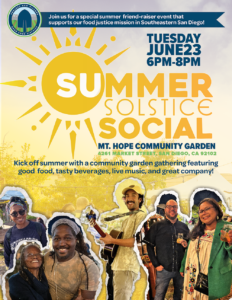
Join us for a special summer kickoff friend-raiser event June 23rd at the Mt. Hope Community Garden!
Improving health and wellness in our communities!
Join us for a special summer kickoff friend-raiser event June 23rd at the Mt. Hope Community Garden!
Improving health and wellness in our communities!
Join us for a special summer kickoff friend-raiser event June 23rd at the Mt. Hope Community Garden!
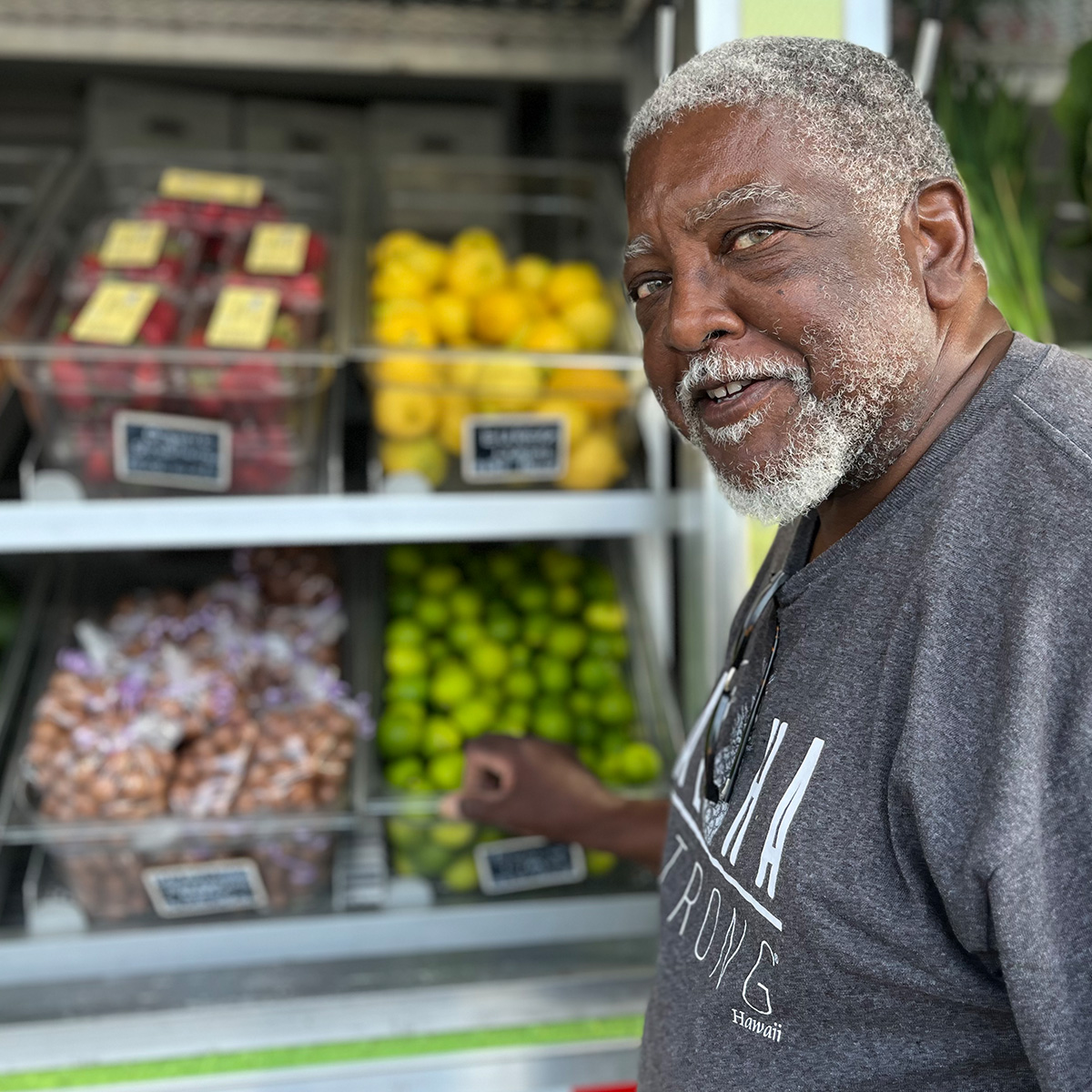
Equitable access to local farmers markets is important because it ensures that all members of a community—regardless of income, race, location, age, or ability—can benefit from fresh, affordable, and locally grown food. Its importance can be understood in several key ways:
In short, equitable access to local farmers markets is not just about food availability—it’s about health equity, economic opportunity, community strength, and environmental sustainability.
The importance of quality and safety procedures with produce lies in protecting consumer health, maintaining trust, and reducing food waste throughout the supply chain. Fresh fruits and vegetables are highly perishable and often eaten raw, which makes proper handling especially critical.
By joining our community of practice as a hyperlocal grower, we can easily teach and implement local food growing standards that are essential for protecting health, preserving freshness, reducing waste, ensuring compliance, and maintaining consumer confidence.
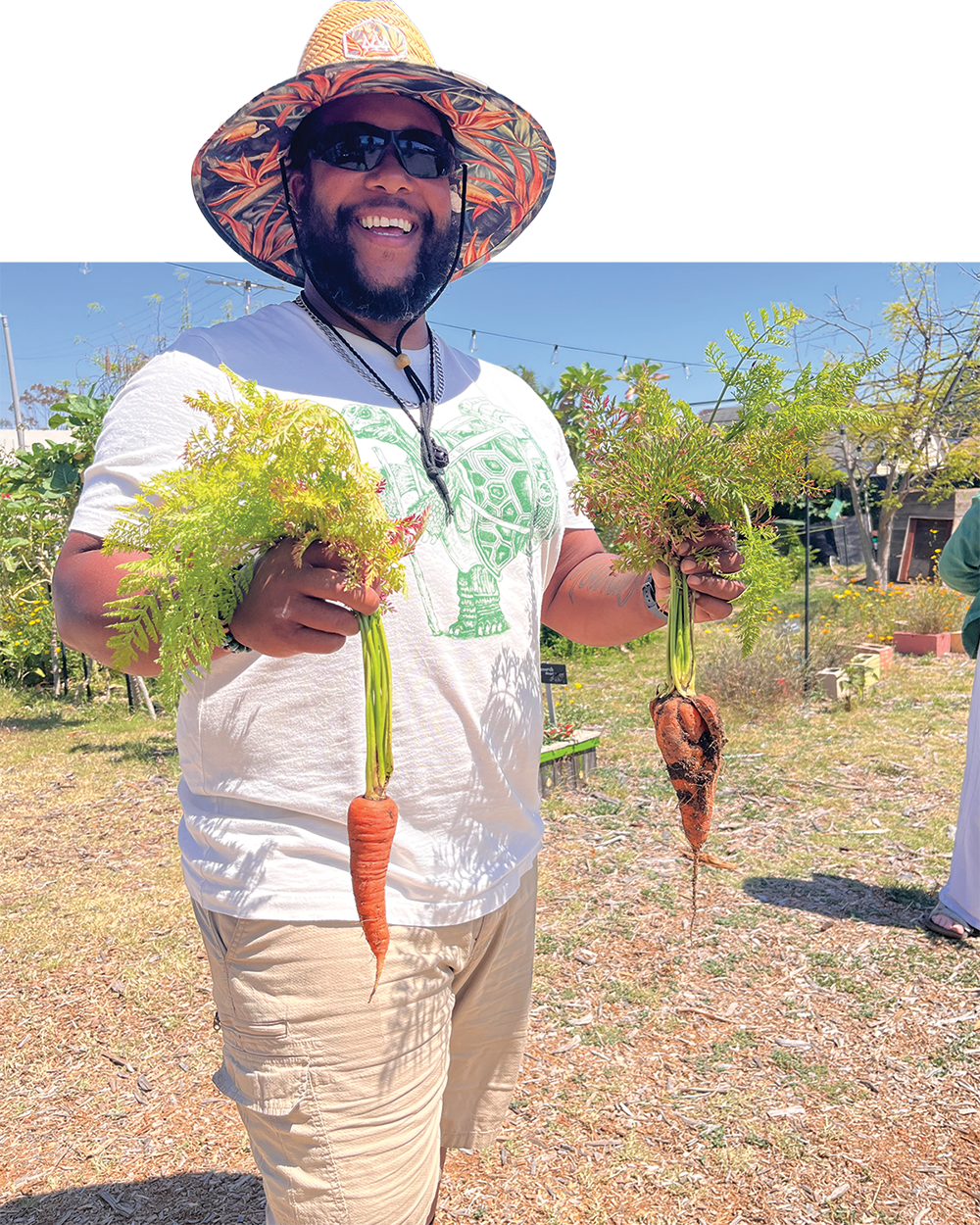
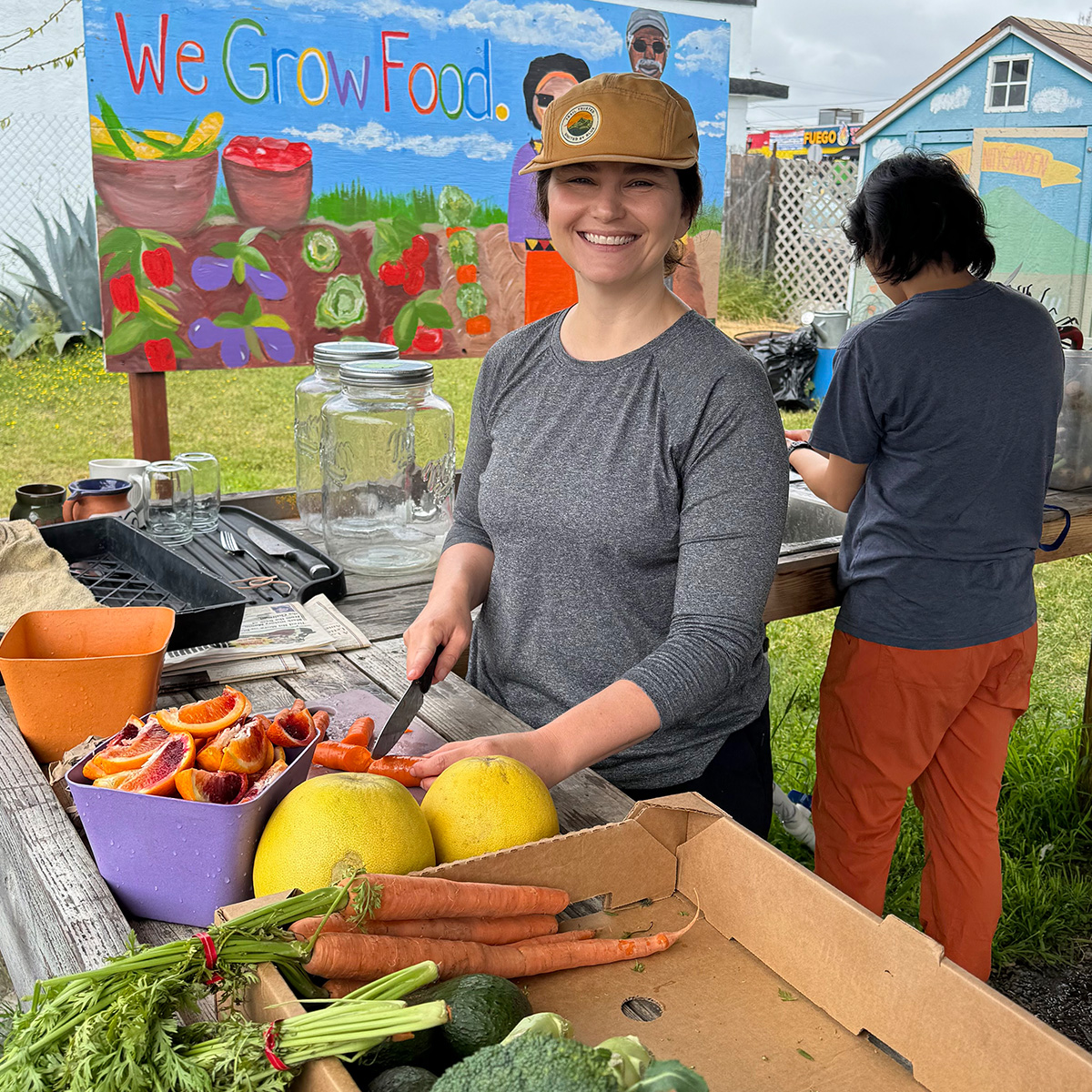
The importance of building a resilient hyperlocal food system in our communities lies in strengthening food security, economic stability, cultural identity, and community self-determination in the face of systemic inequities.
A hyperlocal food system focuses on food that is grown, produced, distributed, and sold within the community or surrounding neighborhood. When this system is resilient—able to withstand economic shocks, climate events, or supply chain disruptions—it becomes a powerful tool for equity and empowerment.

