
Market Schedule and Upcoming Events
Improving health and wellness in our communities!

All the information you need to turn your passion for growing into profit, and support the local food supply chain and economy while doing it.
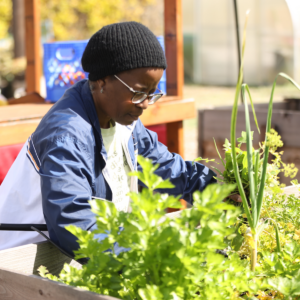
All the information you need to turn your passion for growing into profit, and support the local food supply chain and economy while doing it.
All the information you need to turn your passion for growing into profit, and support the local food supply chain and economy while doing it.
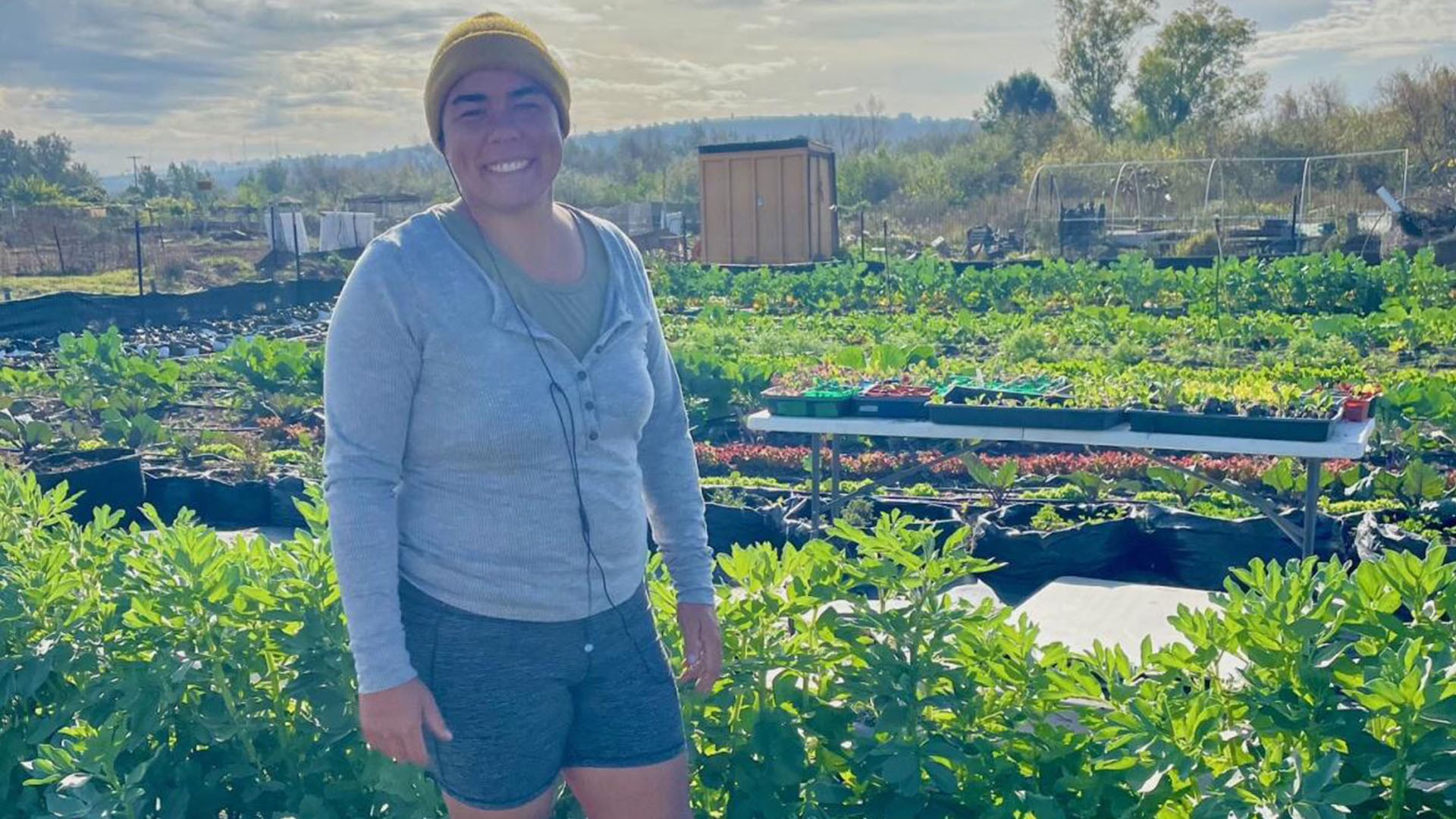
Complete and submit our online registration form and we will communicate follow-up steps to finalize the onboarding process.
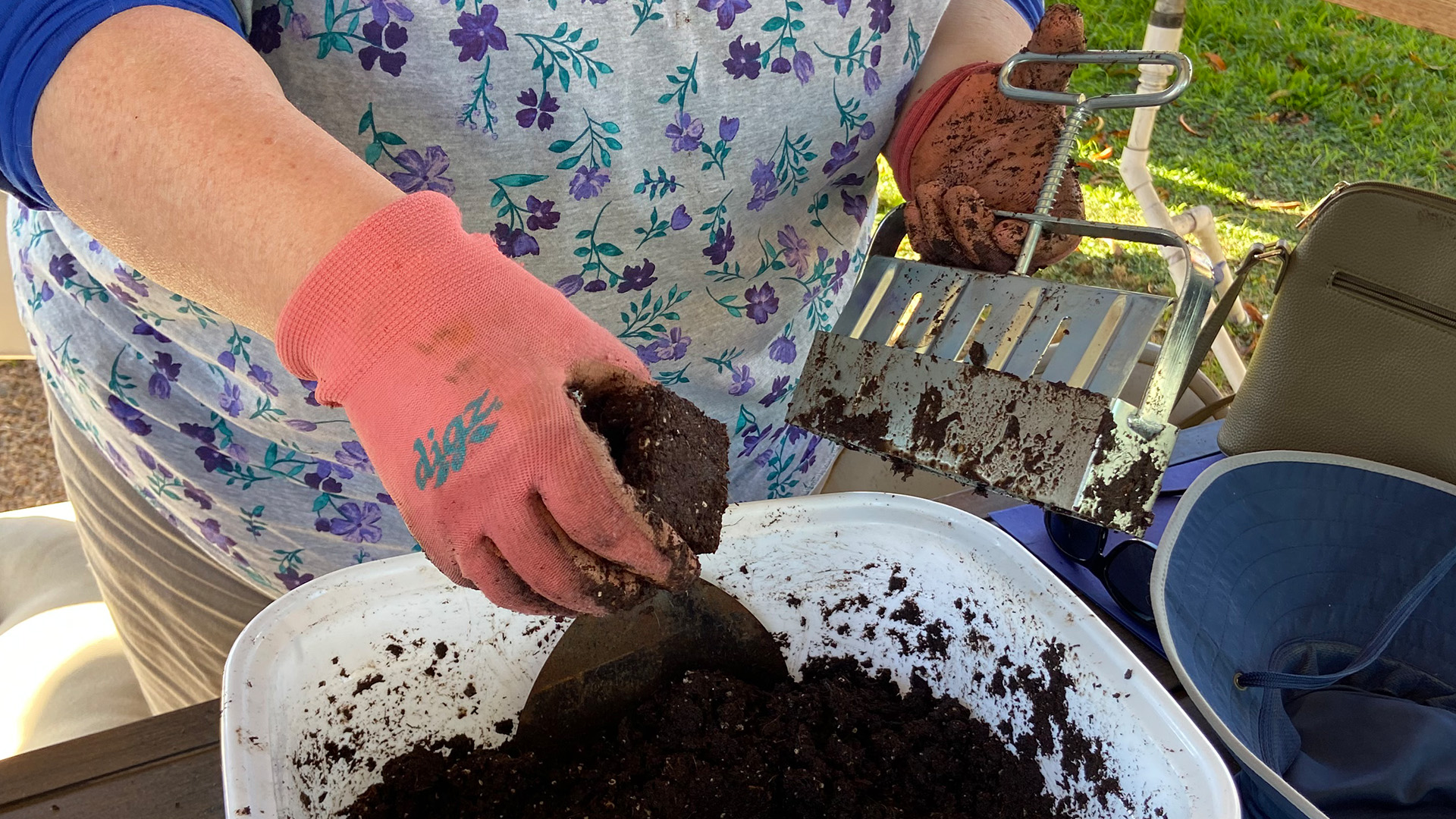
All onboarded hyperlocal growers must adhere to our standard operating procedures. We will provide all materials and information needed to ensure growers are informed and aware of all requirements.
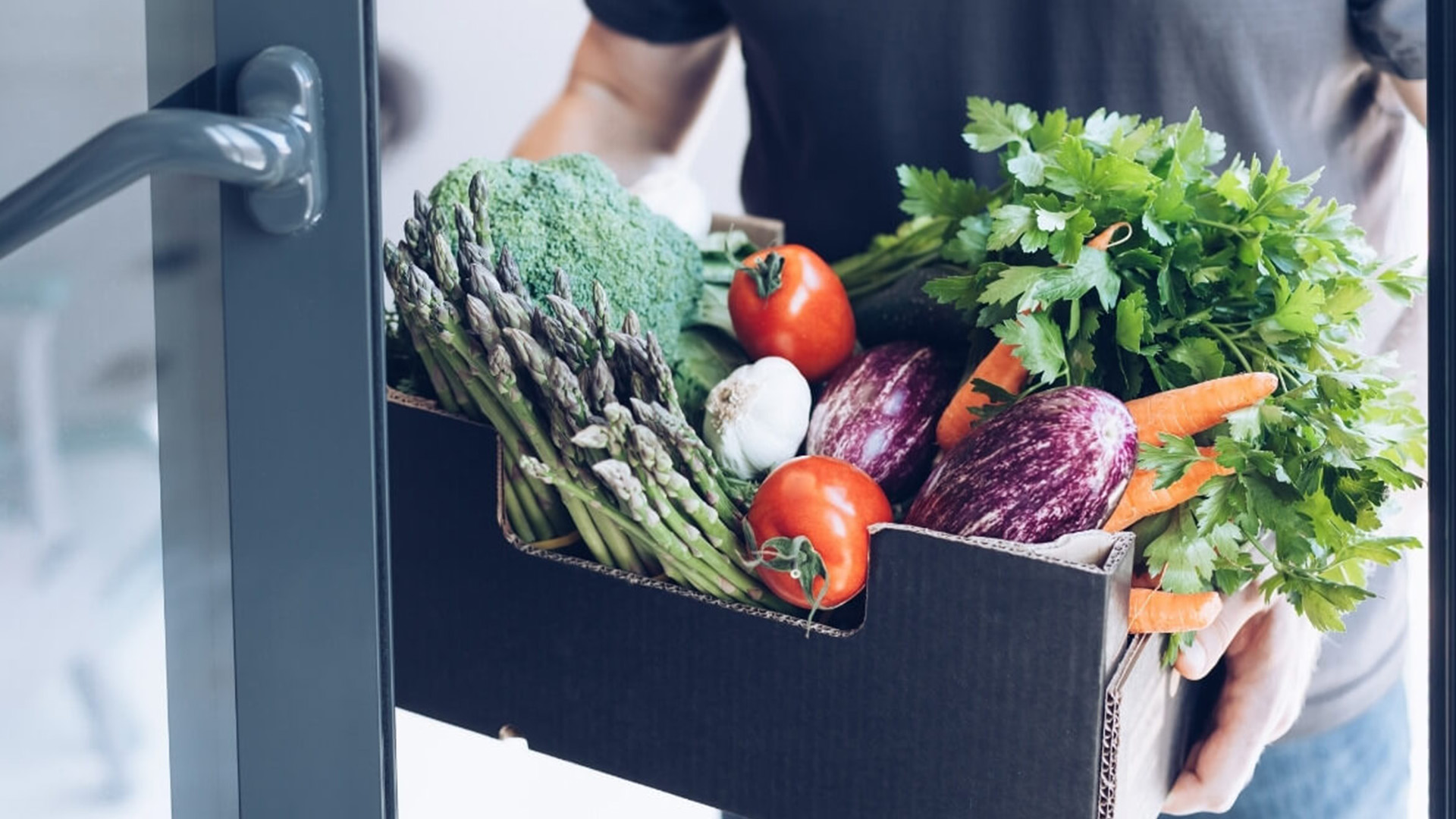
We’ll give step-by-step guidance on how coordination will happen, points of contact and delivery information, and expectations around response times and updates.
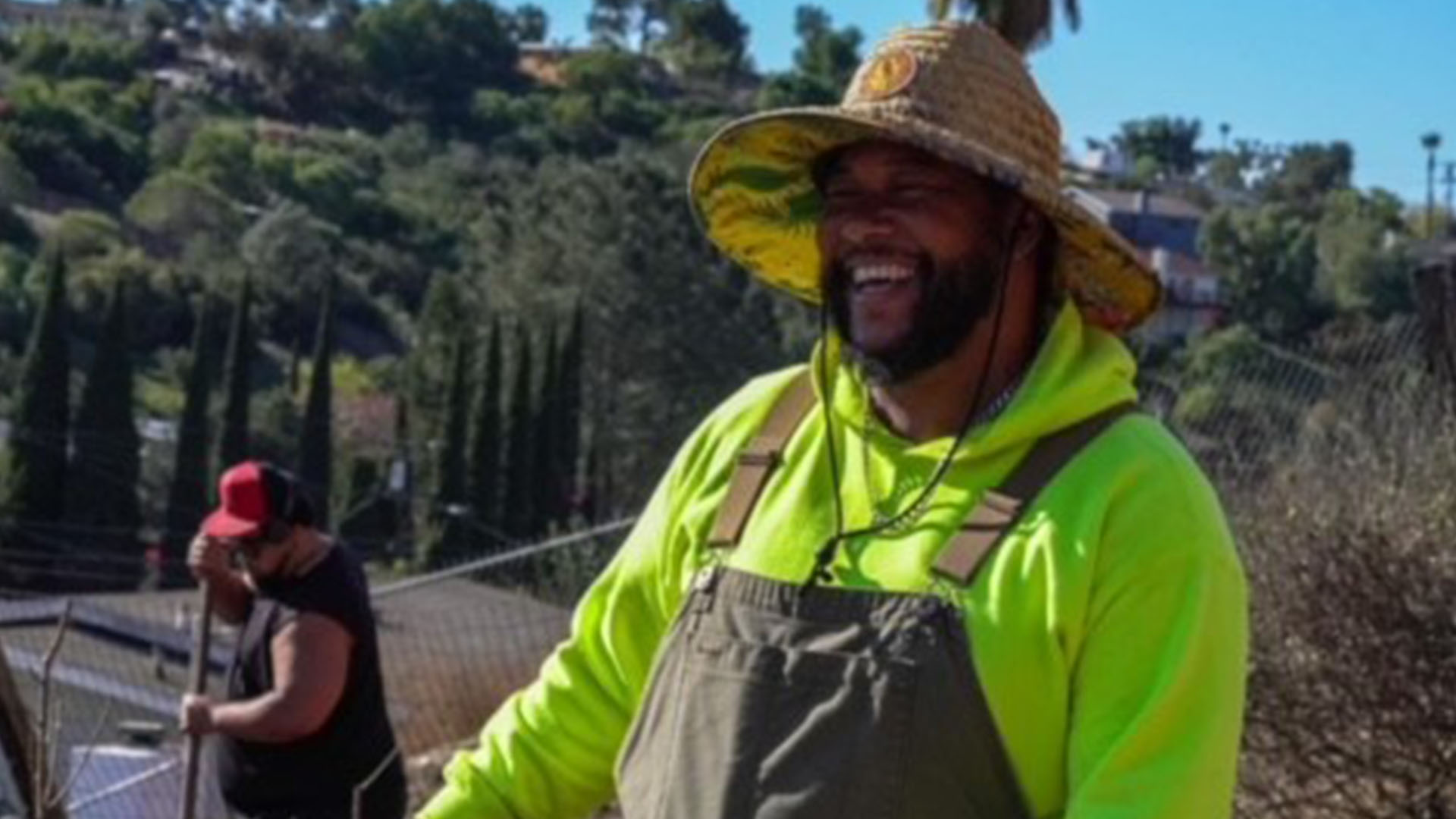
We’ll provide information on joining dedicated lines of communication for growers, as well as resource materials with crop planning guidance, seasonal calendars and more.
Our intention is to outline standardized, transparent, and equitable procedures for local farmers and vendors interested in selling or donating their produce through Project New Village’s mobile market. This ensures food safety, product quality, community responsiveness, and helps maximize local food access.
Register using the online ‘Register as a Hyperlocal Grower’ button below. Include detailed farm info, crop availability, interests, and contact information.
Complete the Grower Contribution Portal:
Register using the online Grower Contribution Portal (link provided on the Project New Village website). Include detailed farm info, crop availability, interests, and contact information
Routine Product Updates:
Use the Grower Contribution Portal to submit weekly or as-needed updates regarding:
Community Crop Requests:
Review and consider customer/community crop suggestions displayed on the Project New Village website.
Required Documentation for Each Delivery:
Recording:
Project New Village staff will verify all documentation upon arrival and update internal inventory systems to maintain “one-step-back, one-step-forward” traceability per USDA best practice
Routine Product Updates:
Use the Grower Contribution Portal to submit weekly or as-needed updates regarding:
Community Crop Requests:
Review and consider customer/community crop suggestions displayed on the Project New Village website.
Required Documentation for Each Delivery:
Recording:
Project New Village staff will verify all documentation upon arrival and update internal inventory systems to maintain “one-step-back, one-step-forward” traceability per USDA best practice
Quality Requirements:
All produce must meet these minimums:
Inspection:
Project New Village staff will inspect products upon delivery. Items below minimum quality will be declined or returned.
Food Safety Compliance:
Growers are encouraged to follow Good Agricultural Practices (GAPs) and all local/state food safety guidelines.
Coordinating Delivery:
Confirm delivery day and time in advance with Project New Village staff (Rodney or Jonathon).
Where to Deliver:
Deliver produce directly to the scheduled mobile market truck site or designated aggregation point by our Mobile Produce Market management team (Rodney or Jonathon).
Carrying Capacity:
If you have large loads or bulk items, communicate in advance to ensure space on the truck.
Sales:
Agreed-upon prices will be confirmed at delivery. Payments are issued according to organizational standards
Donations:
Project New Village can issue a donation receipt noting the product quantity and estimated value upon request.
Maintain Open Dialogue:
Reach out to Project New Village with questions or to adjust orders. Expect communication regarding inventory needs, high-demand crops, and special events.
Give Feedback:
Use the “Feedback” field in the Grower Contribution Portal or contact staff directly with insights or improvement ideas.
Procedures:
In the event of a food safety concern or recall, growers/vendors must cooperate fully to trace, retrieve, and report all affected batches.
Our intention is to outline standardized, transparent, and equitable procedures for local farmers and vendors interested in selling or donating their produce through Project New Village’s mobile market. This ensures food safety, product quality, community responsiveness, and helps maximize local food access.
Refer to the PDF below:

