

Market Schedule and Upcoming Events
Improving health and wellness in our communities!

All the information you need to turn your passion for growing into profit, and support the local food supply chain and economy while doing it.
All the information you need to turn your passion for growing into profit, and support the local food supply chain and economy while doing it.
All the information you need to turn your passion for growing into profit, and support the local food supply chain and economy while doing it.
Growing food at any skill level—from tending herbs on a windowsill to managing a community garden plot or small farm—is a meaningful way to participate in and strengthen the local food supply chain through the lenses of food justice and food sovereignty. When individuals cultivate food, they reduce reliance on distant, industrial systems that often exclude or exploit marginalized communities, and instead reinvest time, knowledge, and resources into local networks. Food justice emphasizes equitable access to fresh, culturally appropriate food and fair treatment for those who grow and distribute it; by growing even a portion of one’s own food, people help normalize fresh food access, share surplus within their neighborhoods, and build relationships rooted in mutual aid. Food sovereignty goes further, asserting the right of communities to define their own food systems. Every garden bed, balcony planter, or school greenhouse becomes a small act of reclaiming control—preserving cultural food traditions, saving seeds, and passing down growing knowledge across generations. No contribution is too small; collectively, these efforts diversify local production, increase resilience in times of disruption, and shift food from a commodity controlled by distant powers to a shared, community-based resource.
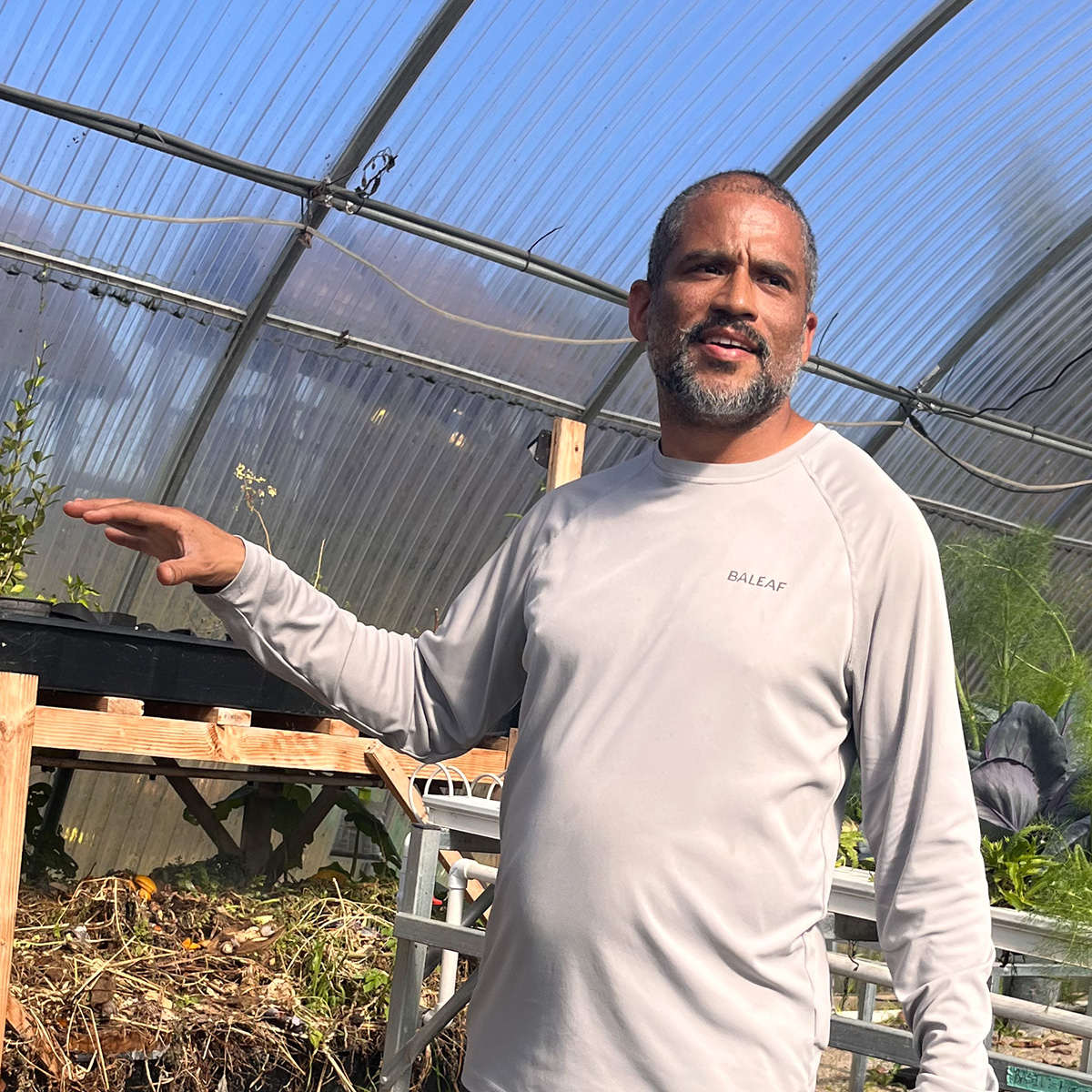
A small-scale, hyperlocal food grower is an individual or very small operation that produces food primarily for their immediate community, typically within the same neighborhood, town, or small geographic radius. Production happens on a limited footprint—such as a backyard, community garden plot, rooftop, urban lot, or a few acres—and is often diversified rather than monocropped. Hyperlocal growers may sell directly to neighbors, supply a local farm stand, participate in a small CSA (Community Supported Agriculture), donate to mutual aid networks, or primarily grow for household consumption with occasional surplus sharing.
What distinguishes a hyperlocal grower is not just size, but proximity and relationship: food moves through short, direct channels between grower and eater, strengthening transparency, trust, and community resilience. These growers often prioritize seasonal production, culturally relevant crops, soil stewardship, and sustainable practices. Within a food justice and food sovereignty framework, small-scale hyperlocal growers contribute to localized control over food systems, increase access to fresh food, and help communities build economic and ecological resilience from the ground up.
A community food grower is an individual or group that cultivates food with the primary intention of serving, engaging, or strengthening a specific community rather than operating solely for private consumption or large-scale commercial profit. This can include people who garden in shared spaces, steward community garden plots, grow food for donation programs, manage school or church gardens, support mutual aid efforts, or collaborate with neighbors to distribute fresh produce locally.
What distinguishes a community food grower is their focus on collective benefit and relationship-building. Beyond producing fruits and vegetables, they often create opportunities for education, skill-sharing, cultural food preservation, and intergenerational connection. In many cases, they work to improve access to fresh, affordable, and culturally appropriate food—especially in areas historically underserved by conventional food systems. Within a food justice and food sovereignty framework, community food growers help shift food from a commodity controlled by distant actors to a shared resource rooted in local knowledge, care, and self-determination.
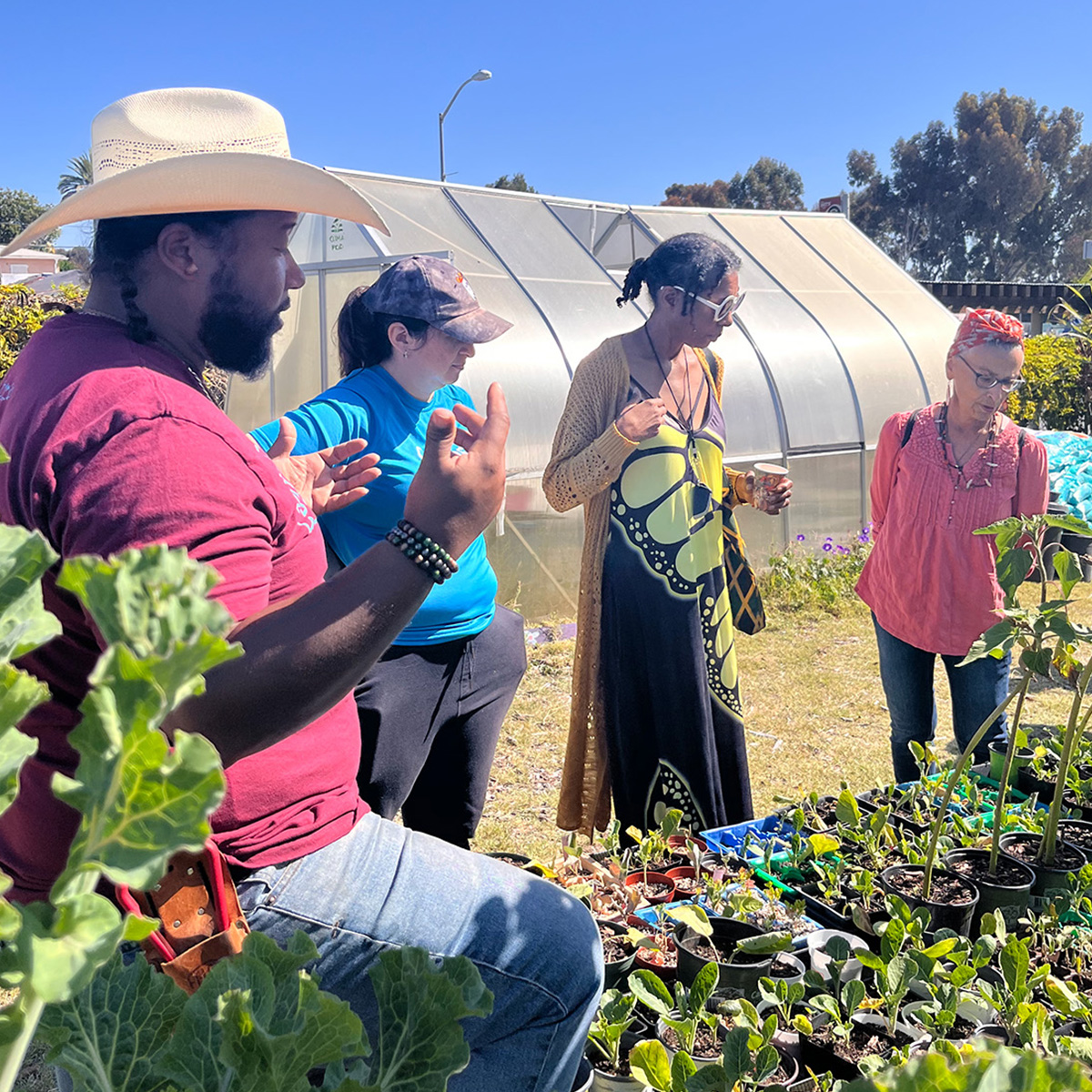
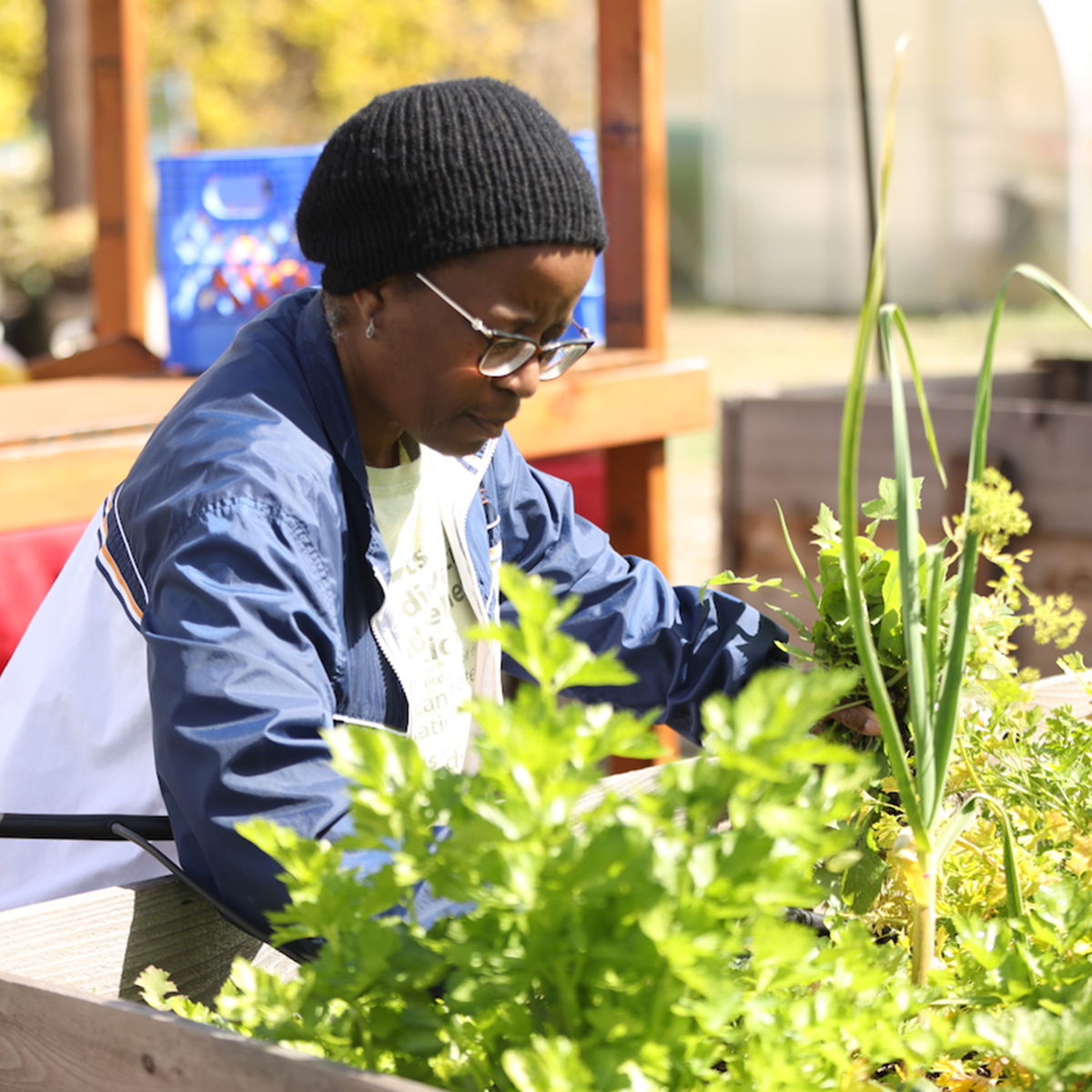
A beginning urban farmer is an individual in the early stages of establishing a food-producing operation within a city or densely populated area, typically with limited experience, land access, or capital. They grow food on small parcels such as vacant lots, rooftops, backyards, community garden spaces, or leased urban land, often using intensive, space-efficient methods suited to urban environments. As “beginning” farmers, they are still building skills in crop planning, soil management, marketing, and business operations, and may be navigating zoning regulations, land tenure challenges, and access to funding or technical assistance for the first time.
Beyond production, beginning urban farmers often engage directly with their local community through farmers markets, CSAs, farm stands, or donation programs. In many cases, they are motivated not only by entrepreneurship but also by a desire to increase fresh food access, revitalize underutilized spaces, and contribute to more equitable and localized food systems. Within food justice and food sovereignty frameworks, beginning urban farmers represent emerging leaders working to reclaim urban land for food production and community resilience.

